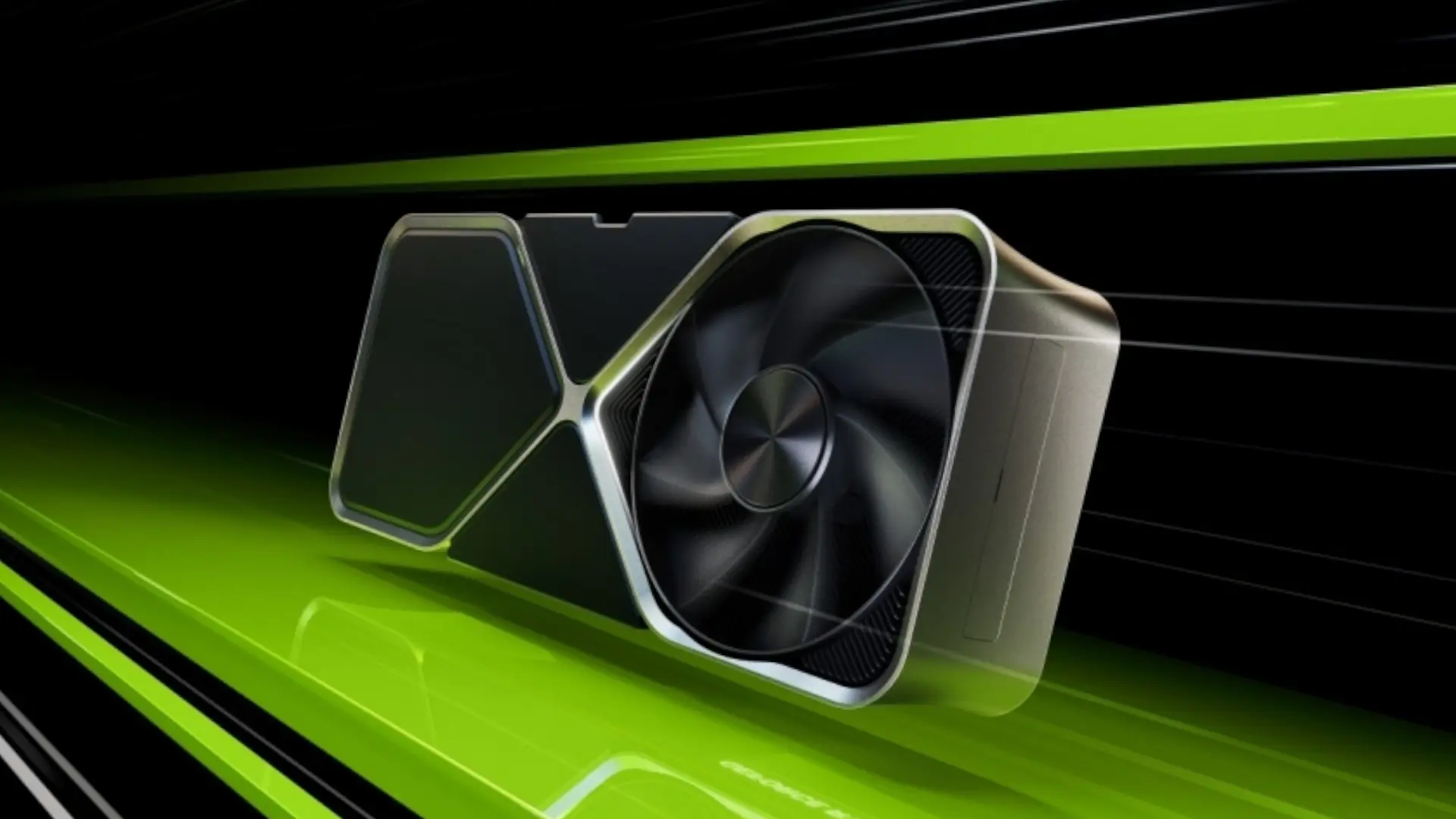
A new report on Chinese Board Channels forums suggests Nvidia could be planning a pretty significant cut to gaming GPU production in early 2026, and as you might expect, this has people worrying about supply and prices.
According to the sources, Nvidia may reduce gaming GPU output by around 30-40% in the first half of 2026 compared to the same period in 2025. On paper, that sounds like bad news. Less supply usually means higher prices and harder-to-find cards.
That said, this does not seem like a panic move. Instead, it looks more like a calculated decision tied to Nvidia’s next lineup rather than a sudden problem on their end.
Why Would Nvidia Reduce GPU Production?
The short answer is memory, specifically next-generation GDDR7 VRAM. Nvidia is widely rumored to be working on RTX 50 Super variants, including:
- RTX 5080 Super
- RTX 5070 Super
- And possibly an RTX 5060 Super
These cards are expected to use 3 GB GDDR7 memory modules instead of the more common 2 GB chips. That makes it easier to bump up VRAM capacity without changing the memory bus, something Nvidia already seems comfortable with.
In fact, we have already seen this approach in action. RTX 5090 laptop GPUs use 3 GB GDDR7 modules to reach 24 GB of VRAM on a 256-bit bus, so this would not be new territory for Nvidia.
The Problem – 3 GB GDDR7 Is Hard to Get
This is where things start to get complicated. Right now, Samsung is reportedly the only company mass-producing 3 GB GDDR7 modules. If Nvidia shifts more of its orders from 2 GB chips to 3 GB ones, that puts extra pressure on an already limited supply.
To make room for those higher-end Super cards, Nvidia may end up cutting back on standard RTX 50-series GPUs that rely on more traditional GDDR7 configurations.
There is also another rumor floating around. Nvidia could stop bundling VRAM directly with its GPUs, leaving board partners like Asus, MSI, and Gigabyte to source memory themselves. If that happens, it could make availability even messier and pricing harder to predict.
Could GPUs Get Harder to Find Again?
Timing is a big part of this. The RTX Blackwell generation is still fairly new, and Nvidia’s next major hardware push is not expected until 2026. Cutting production now could be a way to:
- Lock in enough VRAM for RTX 50 Super cards
- Avoid shortages when those models launch
- Focus more heavily on higher-margin GPUs
The problem is that we have kind of been here before. Even during the initial Blackwell launch earlier this year, when there was not a VRAM shortage, GPUs were still hard to find and often overpriced. If memory limitations get worse, 2026 could easily bring another round of limited stock and inflated prices, especially around new releases.
A Strategic Move, With Some Real Risks
For now, this is still just a report, not an official announcement from Nvidia. But if it turns out to be accurate, this feels less like Nvidia pulling back and more like reallocating resources for what is coming next.
If that leads to a smoother RTX 50 Super launch, or yet another frustrating GPU market, it will likely depend on how quickly GDDR7 production can ramp up.
Either way, it is definitely something PC gamers will want to keep an eye on!
For more guides and information, check out our latest news!