Blizzard has released the full patch notes for the upcoming Season 16 PTR, outlining improvements to War Plans, new Legendary items that enhance Charm bonuses, and substantial changes to how certain classes play.
But for many fans, one question matters just as much: what happens to Season 15’s features? Season of Hell’s Legacy has earned widespread praise, offering longtime fans a trip down memory lane while adding flavor and depth to Diablo 4 through additions such as new Runes and Runewords. With so much to enjoy, players have been hoping these features won’t disappear when the next season arrives.
Fortunately, Blizzard has confirmed that at least some of them are sticking around. “We heard your feedback: some features from the Season of Hell’s Legacy will be carrying forward into Season 16,” the PTR blog post states. Which features will make the cut, however, remains a mystery.
With that in mind, here are four Season 15 features we believe deserve a permanent place in Diablo 4.
New Runes and Runewords
Runes arrived in Diablo 4 with Season 6 and the launch of Vessel of Hatred, the game’s first expansion. This was a major turning point for the game, bringing changes such as lowering the character level cap from 100 to 60 and making Paragon progression shared across characters on the same realm.
Runes added another layer of customization to help freshen up gameplay. Compared to Diablo 2’s more elaborate Runeword system, Diablo 4 took a simpler approach: combine two Runes, one that generates Offering when you meet a specific condition, and another that spends it to activate an effect.
Many seasons later, however, much of the Rune pool still felt like filler, with niche uses and awkward activation conditions. The Lord of Hatred expansion reduced the number of Runes to make them fit in the inventory, but as someone who enjoys creating builds and theorycrafting, I felt this did little to address the underlying problem: only a handful felt worth using.
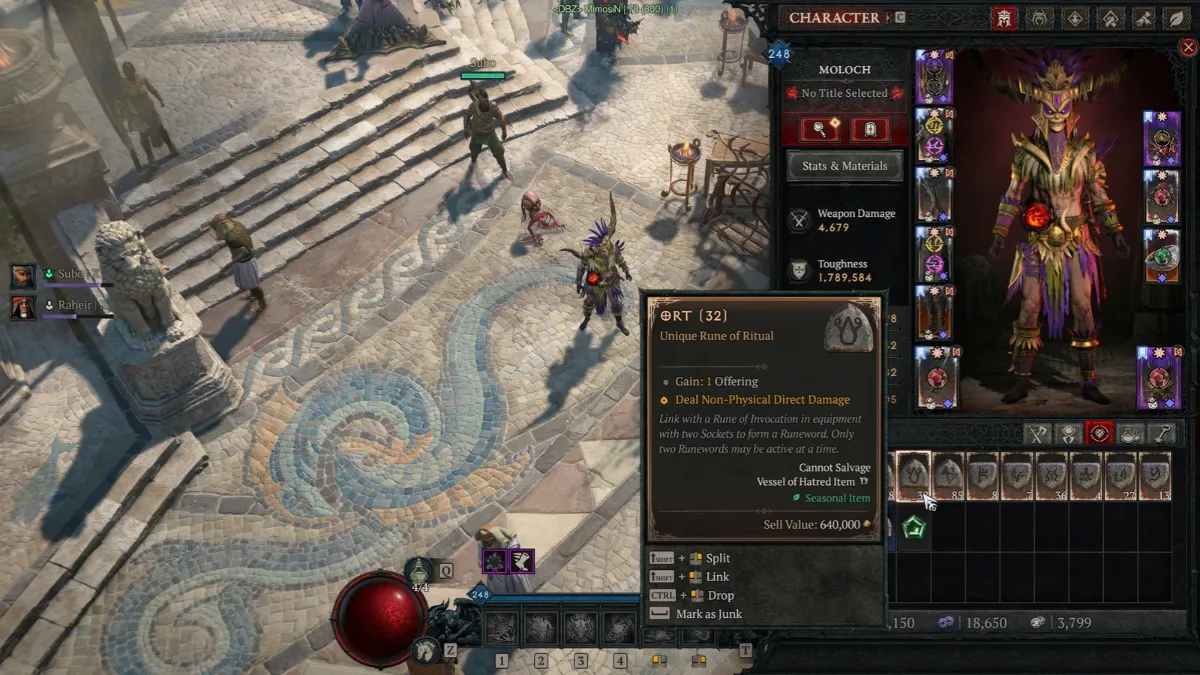
That’s why Season 15’s new Runes are important. They expand both the available effects and the ways to trigger them, giving builds more options through conditions such as dealing non-physical damage or damage over time.
While these additions have seen limited use in high-end Season 15 builds, adjusting their Offering generation could make them more competitive. Ort, for example, generates just 1 Offering per instance of non-physical damage, making it difficult to justify over alternatives such as Igni.
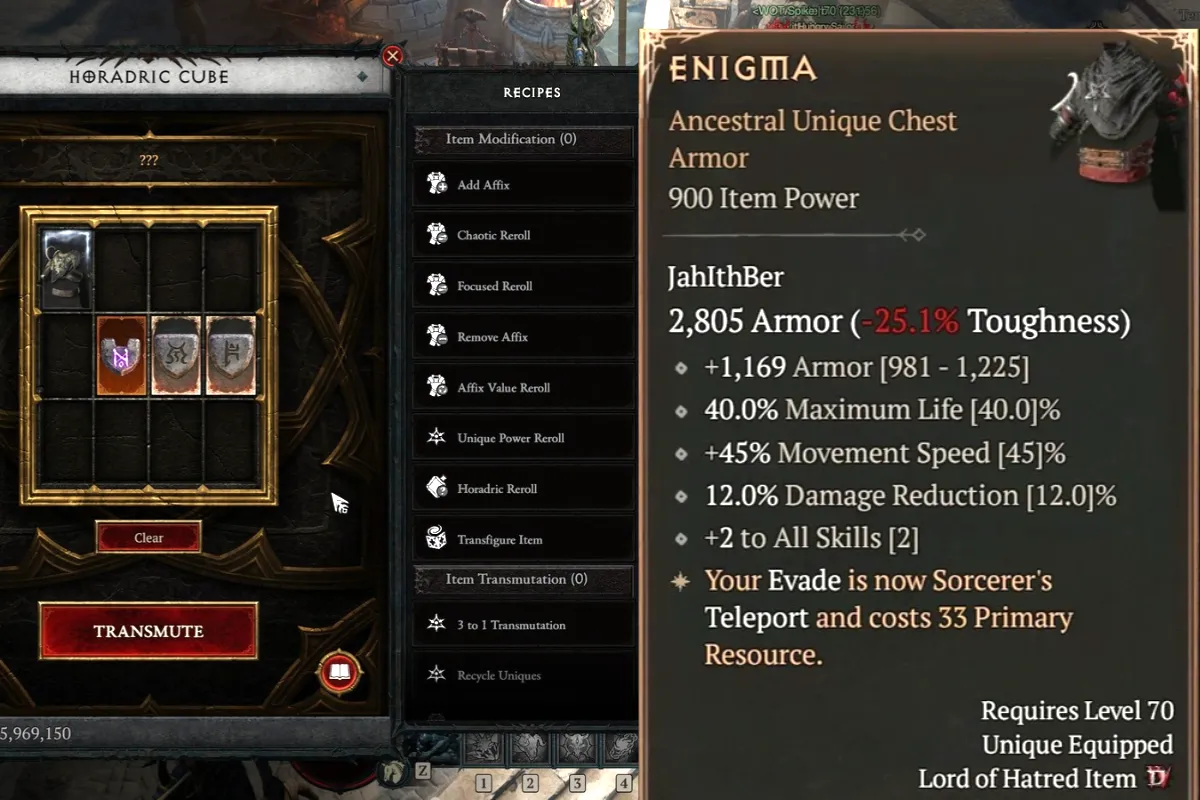
Another great addition was the return of classic Runewords. The principle is similar to Diablo 2: combine a white base item with the required Runes to create a powerful Unique. In Diablo 4, the Horadric Cube handles the crafting instead of having players manually insert Runes into sockets.
These Runewords stay true to their Diablo 2 roots. Enigma grants Teleport to non-Sorcerers, while Ancient’s Pledge provides a hefty 35% bonus to all resistances. Even the required Runes match the original recipes.
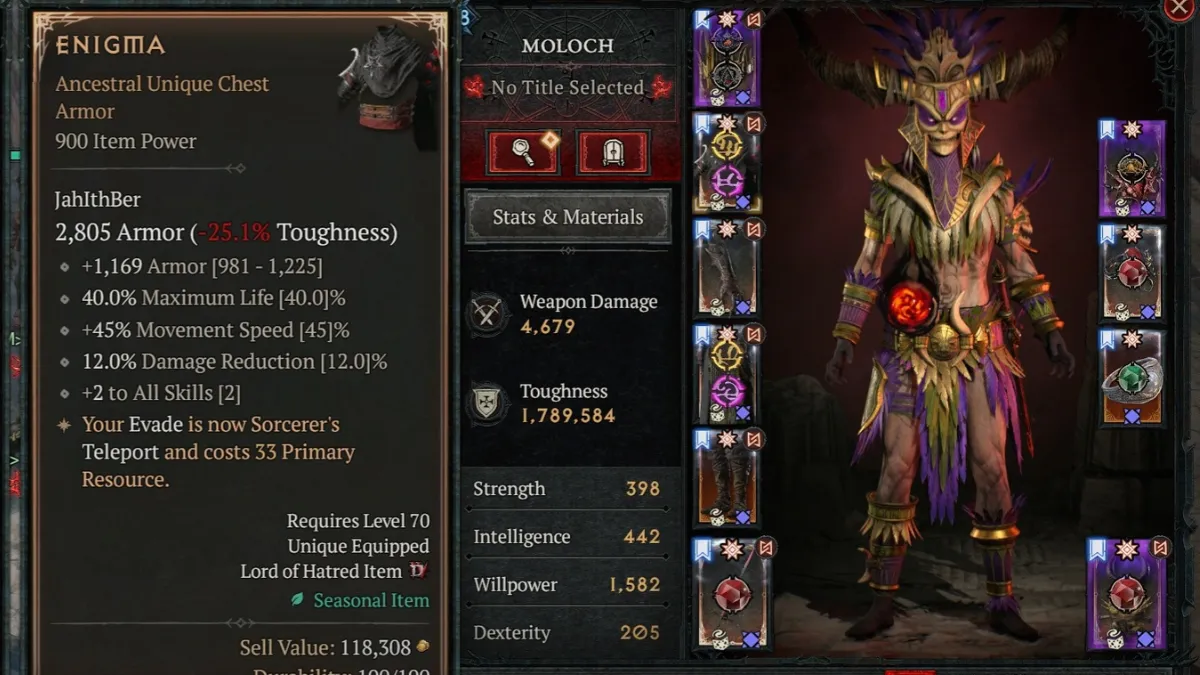
Runewords are among the franchise’s most iconic features. Names such as Enigma, Infinity, and Spirit have been part of Diablo’s identity for over two decades. Seeing them return in Diablo 4 brings a welcome dose of nostalgia while opening up new gearing possibilities—making them a fitting tribute to the series’ legacy. That’s why they need to stay.
Legacy Monsters
Diablo 4 has sometimes faced criticism for its limited monster variety, particularly compared to Diablo 2 and 3. Part of this comes down to its Monster Family system, which emphasizes different members of the same group rather than filling each area with a broader mix of distinct creatures.
While this gives regions a consistent identity, it can also make them feel repetitive. That’s less noticeable in activities such as the Pit or the Tower, where encounters draw from multiple monster families. During open-world activities such as Helltides, however, fighting the same enemies repeatedly becomes very noticeable.
That’s why seasons that introduce new monsters have always been among my favorites—and Season 15 took that variety a step further.
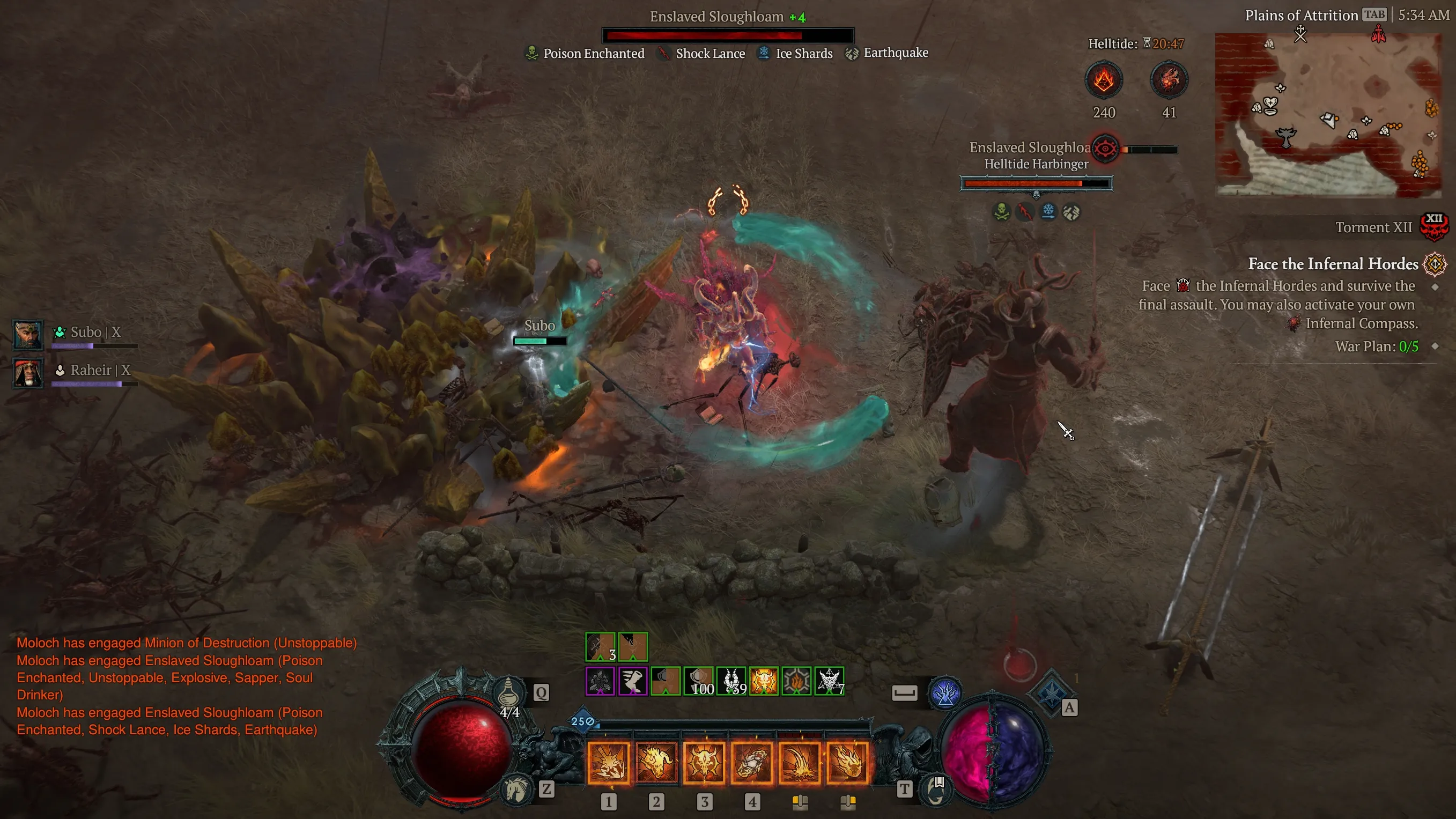
There is such a wealth of content in Season 15, with an immense number of legacy areas in the game largely populated by the iconic monsters from the past. Monsters such as Diablo 1 Blood Knights and Diablo 2 Minions of Destruction populate different areas of the game such as the Pit, while also serving as Helltide Commanders during Helltide runs.
These monsters are a perfect fit for Diablo 4 and deserve to remain part of Sanctuary long after Season 15 ends.
Legacy Areas
Season 15 brought back many of the franchise’s most iconic locations, including Arreat Summit, Durance of Hate, and the Cathedral where Diablo 1 began.
There are 33 Waking Nightmares spanning 27 distinct locations, accessible through sigils or random portals throughout Sanctuary. These revisit familiar settings, complete with returning monsters and objectives.
What makes these areas special is the attention to detail. Some locations, particularly those from the first two games, feature readable quest tomes with their original voice recordings, accompanied by the original soundtrack. Exploring them transported me straight back to 1998, when I first loaded up my PlayStation copy of Diablo.
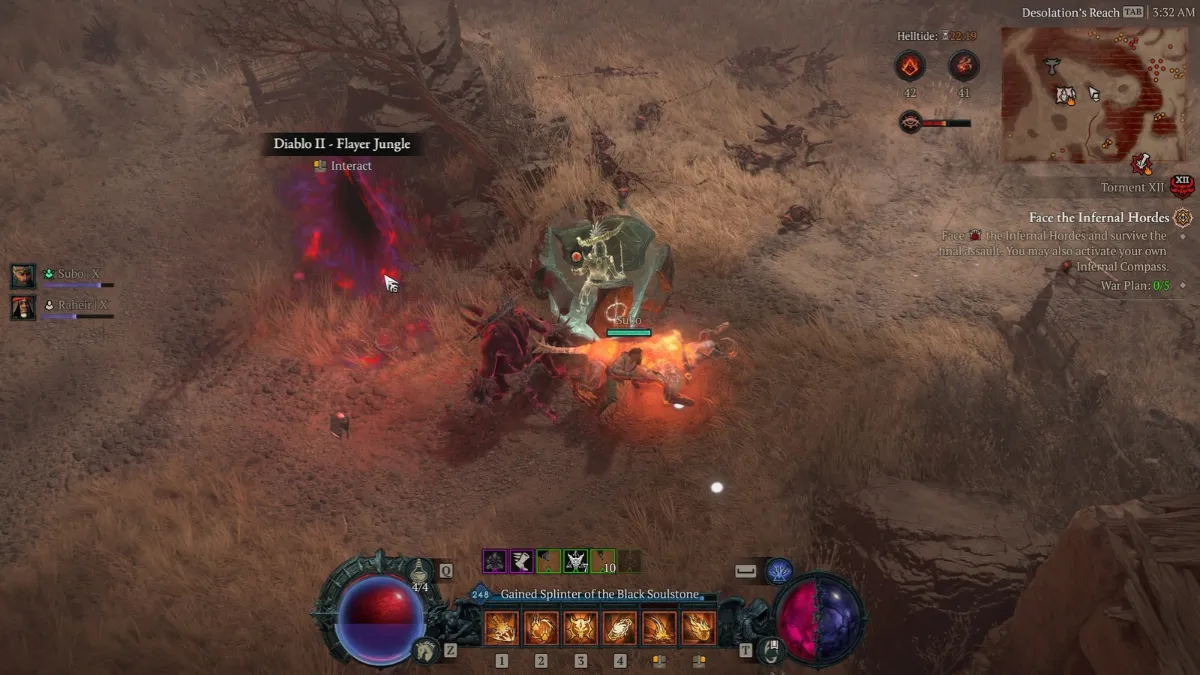
Blizzard could have stopped at recreating the look of these locations, but instead brought their atmosphere to life, recreating what made them memorable in the first place. They add history, variety, and personality to Sanctuary, and I’d love to see them remain part of Diablo 4 beyond Season 15.
Uber Tristram and the Hellfire Torch
Last on our list is none other than Uber Tristram.
In Diablo 2, this legendary encounter was the ultimate test of a character’s strength. Transmuting three required organs in the Horadric Cube opened a portal to a ruined Tristram, where supercharged versions of all three Prime Evils awaited. Defeating them rewarded the Hellfire Torch, a powerful Unique Charm granting bonuses to class skills, resistances, and attributes.
Season 15 wouldn’t feel like a complete tribute without this iconic challenge, and players quickly discovered its return. Getting there, however, works differently in Diablo 4.
First, players must read ten Deckard Cain journals scattered across Sanctuary. Returning to the Imperial Library then allows Cain to open a portal to a faithful recreation of Tristram, complete with familiar, fully voiced NPCs and returning quests. Combining all three Prime Evil Splinters in the Horadric Cube produces Wirt’s Lucky Coins, which players can use at the town fountain to open the way to Uber Tristram.
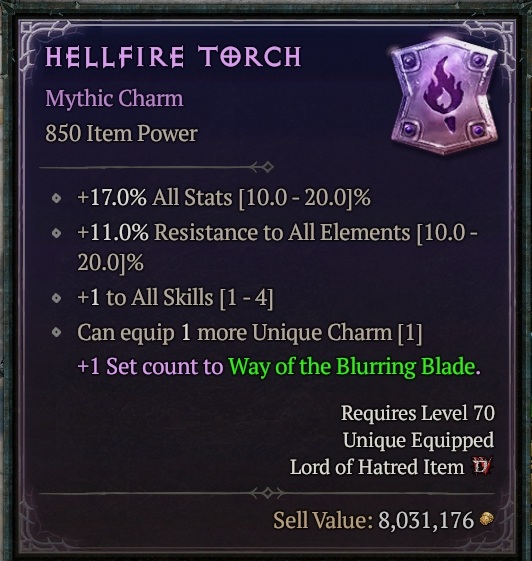
The Hellfire Torch retains its familiar bonuses to skills, resistances, and attributes, but adds a clever twist: it counts toward a random Talisman set. This lets players replace a regular set Charm with something considerably more powerful while preserving their set bonus.
It’s a fitting reward for such an iconic fight, and its guaranteed drop makes the encounter particularly satisfying. The Torch’s rolls still leave room for the chase, but every victory rewards players with the item they came for—a welcome certainty in a game so heavily driven by RNG.
Both Uber Tristram and the Hellfire Torch deserve a permanent place in Diablo 4.
Confirmed to Stay
Fortunately, some of Season 15’s additions are already confirmed to stay. The nine Legacy Uniques, including The Furnace, In-Geom, Leoric’s Crown, and the fabled Stone of Jordan, are permanent additions available on both Seasonal and Eternal realms.
These are some of the franchise’s most recognizable Unique items, and they bring more than just familiar names. Stone of Jordan, for example, rewards stacking a single elemental resistance by raising the others to match, offering substantial defensive power at the cost of stronger offensive options in the ring slot.
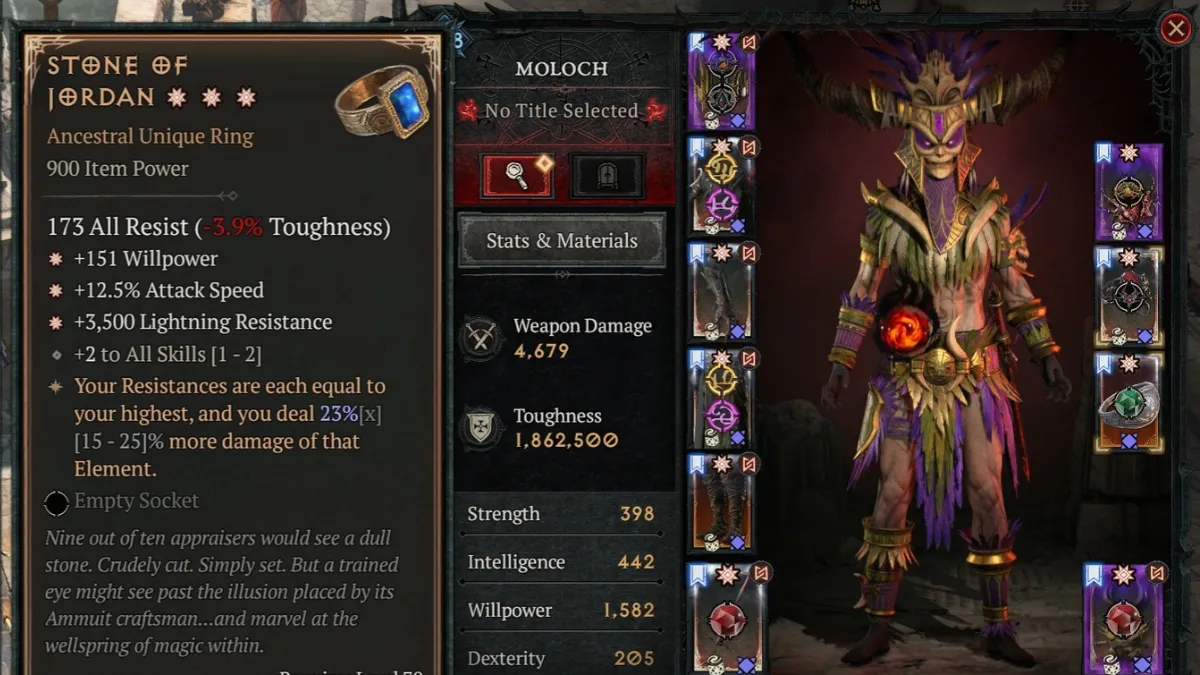
Diablo 4 always benefits from powerful, class-agnostic items that offer more ways to play. Stone of Jordan is a good example of that: a meaningful gearing choice that opens up new possibilities without becoming mandatory for every build.
Keeping these items is a welcome start. Hopefully, Blizzard extends the same treatment to more of the features above. Season of Hell’s Legacy has added too much character, variety, and history to Sanctuary for it all to disappear when the season ends.