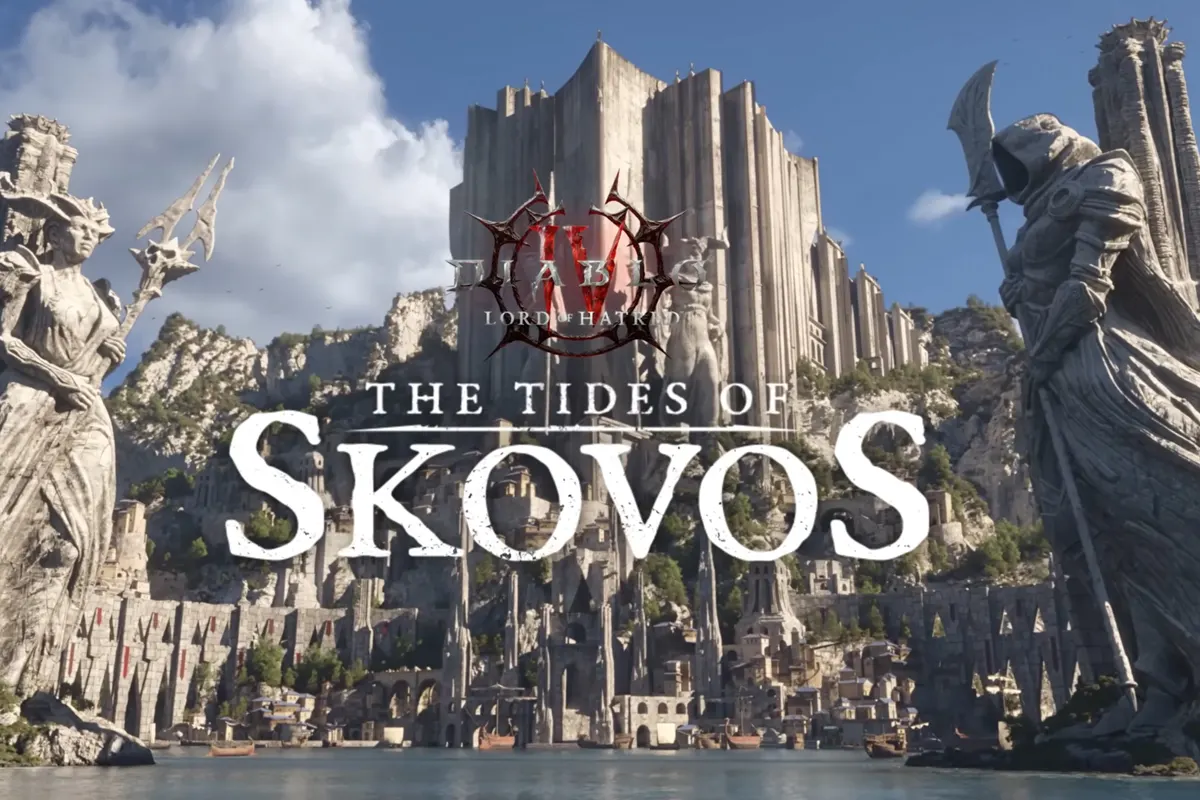
If you play Diablo 4, you should probably watch the latest video on the Diablo YouTube channel. Not because it’s going to teach you how to create a giga-buffed, “insane,” 10 quadrillion damage build (because it won’t), or because it might teach you the best and fastest new trick to get “insane” amounts of loot (because it doesn’t).
No, what this video will do instead is give you a profound appreciation for the incredible artistry, creativity, and “insane” amount of work that went into creating the music for the Lord of Hatred expansion and, by extension, a greater appreciation for every other technical and creative aspect as well.
It’s something easily forgotten. Most Diablo 4 players probably aren’t paying much attention to the game’s music while tearing through Helltides, blasting through War Plans, or trying to survive high-tier Pit runs, and that’s completely understandable. Diablo 4 is a game about slaying monsters, loot, builds, damage numbers, and the eternal search for a slightly better pair of pants.
But Blizzard’s latest video is a stirring reminder that beneath all of that grinding and satisfying progression is an extraordinary work of art created by a legion of passionate, talented people.
The Music Behind Lord of Hatred
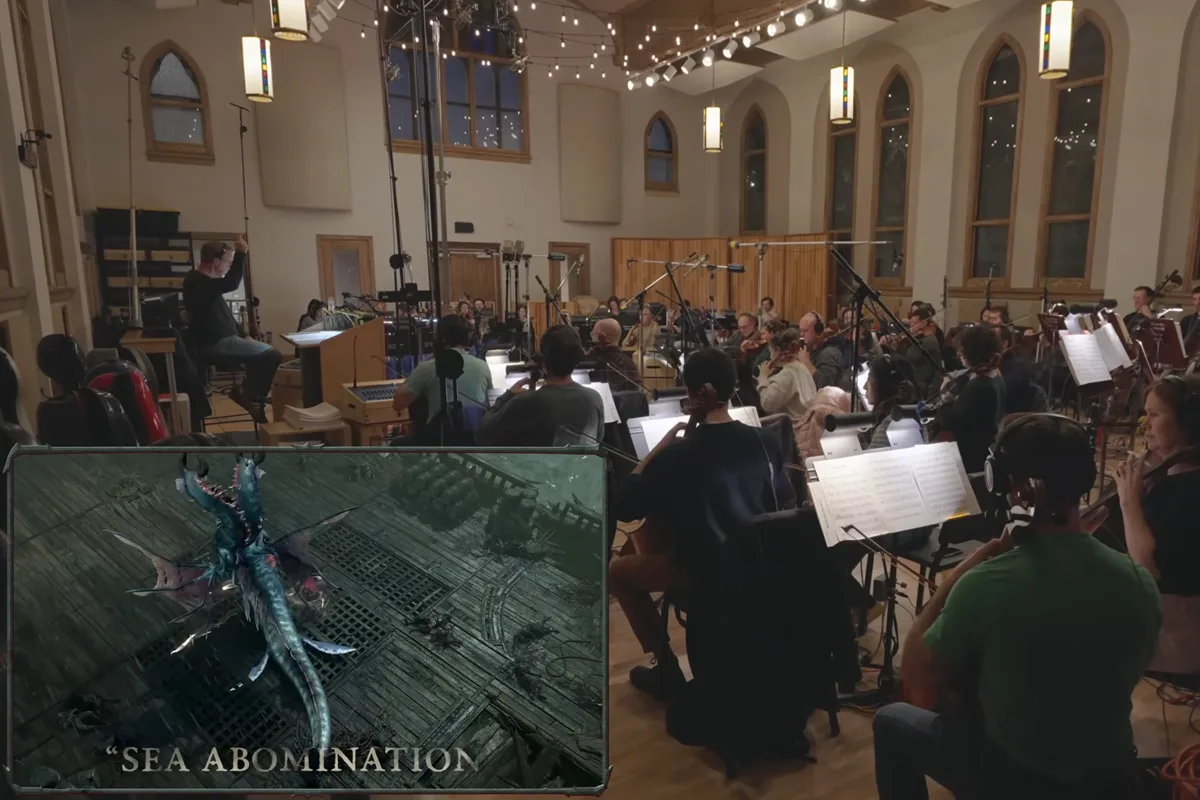
The mini-documentary follows lead composer Ted Reedy and the Diablo 4 music team as they record the score for Lord of Hatred, including sessions at Ocean Way Studios in Nashville, a converted old church, now used as a recording studio. The orchestral music for Vessel of Hatred was also recorded at this location. The team returned there because of the “amazing results” Reedy says they achieved the first time around.
What becomes clear very quickly is the staggering size of the undertaking. Reedy says the biggest challenge was “the sheer amount of music” needed for the expansion, covering cinematics, towns, world areas, dungeons, scripted sequences, and boss fights. The production involved over 100 musicians from around the world, including vocalists, specialized percussionists, an orchestra in Nashville, and a choir in London.
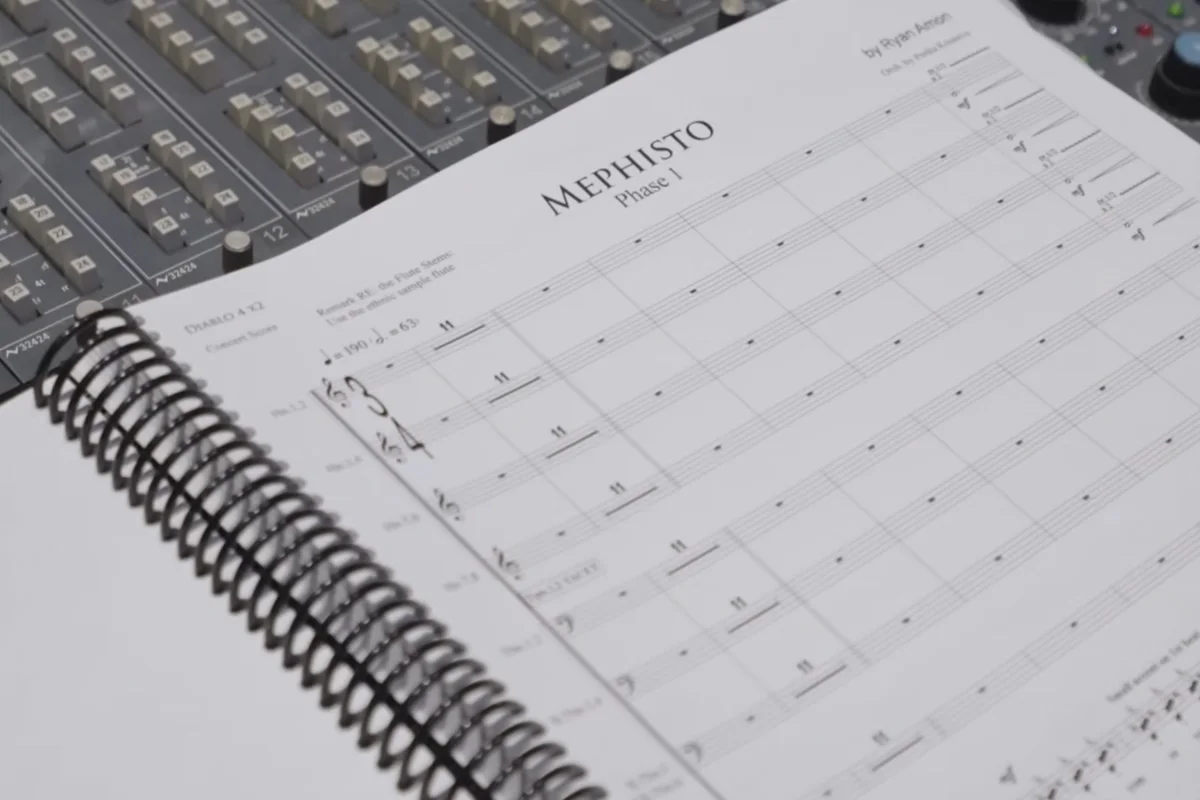
Creating the Sounds of Skovos
One of the more interesting challenges for the music team was creating music that evoked just the right tone and feel for the new area of Skovos. To help give Skovos its own identity, the team brought in unique instruments such as the aulos and lyre. The aulos is an ancient Greek double pipe, while the lyre functions almost like a small harp. These were not just decorative choices. They helped define the sound of the region, with the limitations and unusual qualities of the instruments shaping the music itself.
That is the kind of detail that is easy to take for granted when you are rushing between objectives, but watching this video might give you a reason to really stop and smell the roses, or in this case, stop and listen to the evocative interplay between the aulos and the lyre.
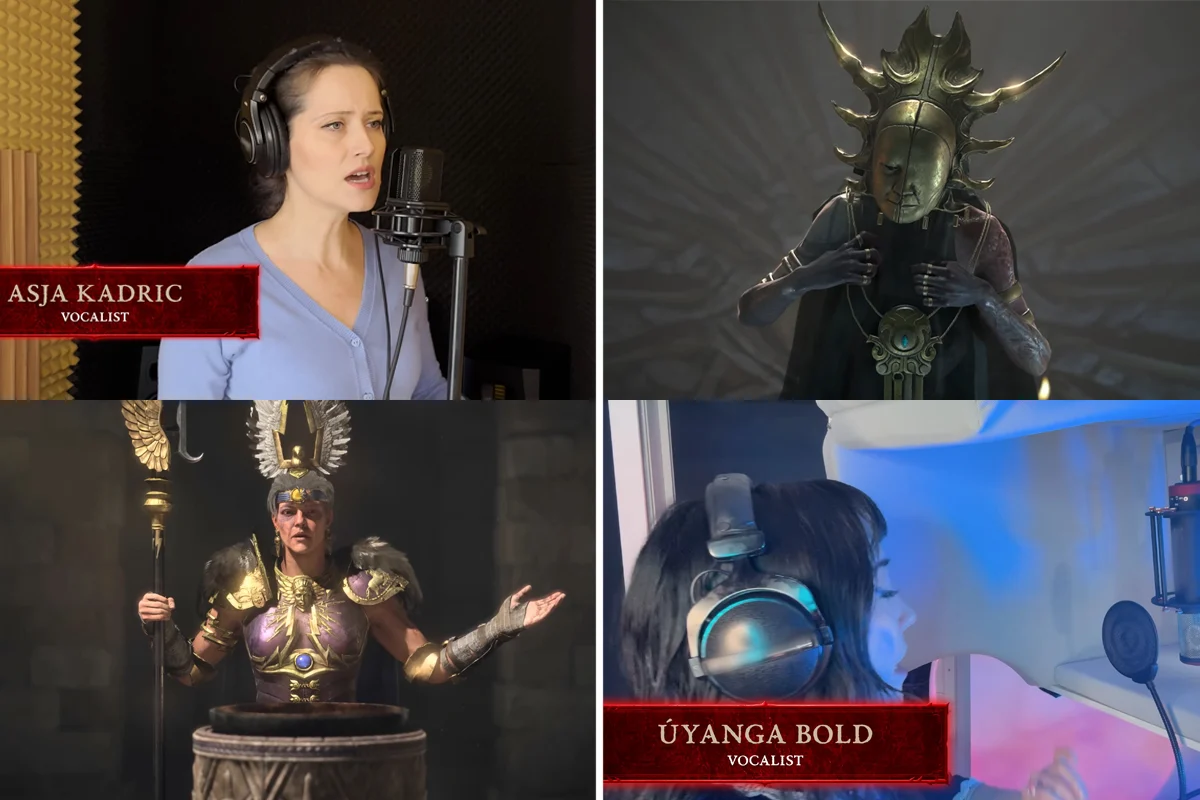
The video also shows how much thought went into the vocal side of the score. Apart from the full choir recordings in London, the team also worked with vocalists Úyanga Bold and Asja Kadric to create a mythic language that felt ancient, maritime, and rooted in the history of Skovos. This language then served as the foundation for lyrics. So, while a player may only half-hear these haunting voices while checking their loot, behind that moment is narrative design, research, language work, composition, performance, recording, and mixing.
That may be the biggest takeaway from the video. Lord of Hatred isn’t just a collection of systems, balance changes, endgame activities, and new ways to become absurdly powerful. It’s also a huge creative production, built by artists, musicians, writers, designers, performers, and developers all trying to make Sanctuary feel alive.
Appreciating the Artistry Behind Lord of Hatred
The closing section of the video really drives this home. Reedy says that in a world where more and more things seem to be AI or computer-generated, this music is real: “A hundred people coming together to make something amazing.”
Players will always talk about balance. They will always argue about the best class, the strongest build and the most efficient way to grind and loot. That’s the gameplay heart of Diablo. It’s what keeps us coming back, and it’s awesome.
But a video like this serves as a reminder that the game also has a tone, a feel and an atmosphere that we love. It has a soul — much more subtle, but perhaps just as important, and that soul is the result of a massive collaborative effort, undertaken by supremely skilled people from all over the world.
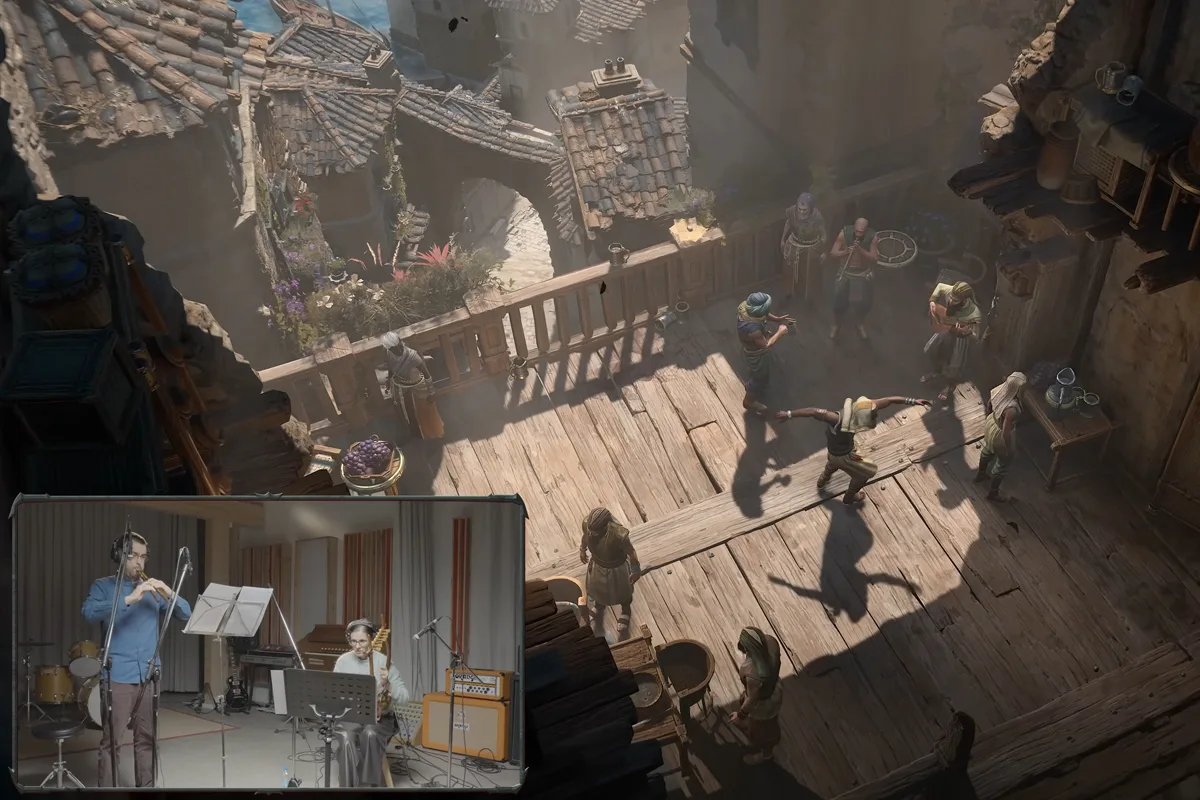
So the next time you’re in Skovos, choosing your next set of War Plan activities before teleporting off on your next adventure, why not take a moment to listen, really listen to the music. While you’re at it, you might notice the artistry in the modeling, textures, materials, animations, and particle effects evident in this one single moment.
Then you might consider that there’s an entire world filled with this level of detail and think, “wow, that’s pretty amazing … now, what shall I temper on these pants?”
For more on Lord of Hatred and all things Diablo 4, check out our Diablo 4 news hub.